
New Managing Editor, Drawing Readers In, and Editors’ Hopes for Authors and Reviewers
Ashleigh Imus has been named ASQ's new managing editor, and she shares tips on drawing readers in, while editors share a few hopes for authors and reviewers.


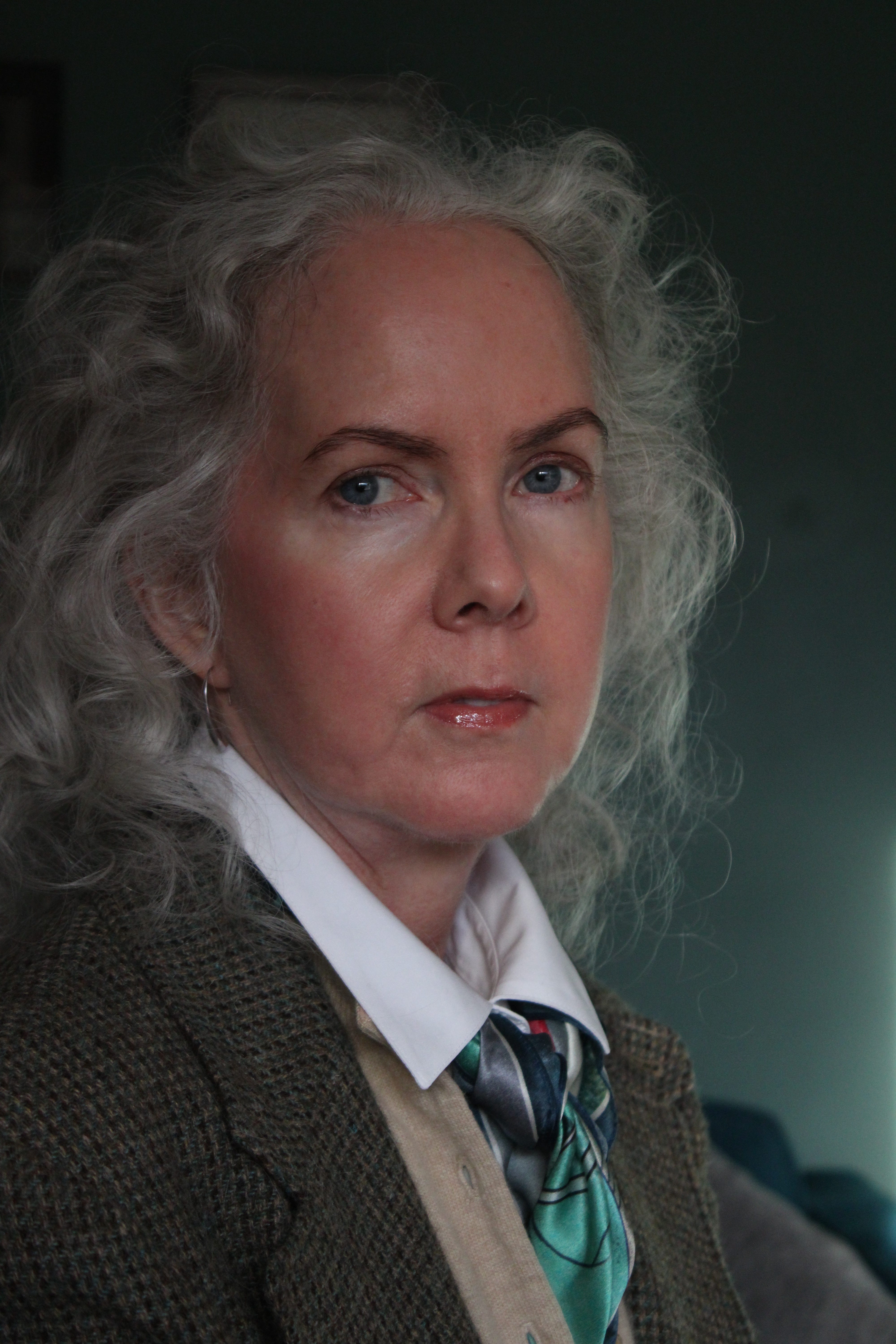
Ashleigh Imus Named Managing Editor of ASQ
After four years of outstanding commitment to ASQ as its associate managing editor, Ashleigh Imus has been promoted to the managing editor role. Ashleigh is an excellent editor, cares deeply about the journal’s quality, and is committed to ensuring that every member of the ASQ community has the necessary information and support to do great work. Joan Friedman will continue to support ASQ through 2026 to help ensure a smooth transition, which will include the addition of a new associate managing editor in the coming months.
ASQ’s staff editors support the journal’s operation in ways big and small. The journal’s editorial team will benefit greatly from Ashleigh’s knowledge, experience, and enthusiasm for envisioning ASQ’s future. Congratulations, Ashleigh, on this well-deserved transition!
What do ASQ’s editors hope for from reviewers and authors?
Instead of gathering New Year’s resolutions, we began the year by asking ASQ’s editors what they hope to see more of from authors and reviewers in 2026. Some of their suggestions are familiar but worth repeating, such as seeking friendly reviews before submission. Others refocus attention on parts of the process that are easy to overlook but consistently consequential, like using the cover letter strategically and keeping editors informed about timing. Check out all of them below.
Editors Wish That Authors Would…
Get More Friendly Reviews, Including Critical Feedback
“I wish that authors would ask colleagues for friendly reviews of their manuscripts before sending them to ASQ. Reviewers and editors often find basic problems such as empirical snafus, theoretical flaws and messy argumentation, and these can lead to rejection. These problems are often correctable. If a colleague catches them first, authors get a chance to fix them and polish the submission before it enters the review process.”
“Please ask others for a ‘friendly read’ of your paper before submitting. We all have blind spots with respect to our own work after so many reads through a paper. Often, those with fresh eyes can spot points where your arguments or evidence are unclear, which sets you up to fix those issues before submitting the manuscript.”
“One thing I wish authors would do: push to get as much critical feedback as possible. This can be difficult, I know, for junior authors who are still building their networks and feeling time pressure to get their manuscripts out. But investing in building ties where you can exchange feedback honestly and critically can be an important foundation on which to build one’s longer-term success in academia.”
Use the Cover Letter to Suggest Editors and Reviewers
“One thing I wish authors would always do when submitting is to suggest a couple of possible handling editors and reviewers and, critically, explain why. Clearly specifying these people in your cover letter helps the editorial team to ensure that your paper gets the best feedback – as well as the best chance of a positive reception – possible. While many authors do seize this opportunity to help themselves, I’m surprised by how many do not.”
“I love it when authors suggest a few unconflicted and ideal reviewers. I can’t always get these specific people (they are often busy!), but this information helps me better understand the paper and its intended audience.”
Aim for a Shorter Manuscript
“The one thing that I wish authors would do before submitting is cut the length of their papers! I realize that the field is trending towards longer papers as reviewers ask for more and more work, but papers are unnecessarily long even in the first round. I particularly think that papers often have a lot of unnecessary repetition as they try to hammer the same points home again and again. It’s better to make the point once and make it well. I think that some careful editing to figure out how can we be more economical with our writing would help us all.”
Make the Abstract Puzzle-Driven
“Write an abstract that doesn’t just relate findings, but provides the intuition of the puzzle and the answer.”
Editors Wish That Reviewers Would…
Treat the Review as a Conversation
“I love our reviewers - we have an amazing community of scholars who dedicate time and effort to carefully offering constructive feedback. My reminder to reviewers is to keep both the author and the potential future reader in mind and do one last check of your review for clarity and tone. Remember that this is a conversation and treat the author as a friend who is reading your feedback to improve their work. Clearly point out problems and potential solutions but do so in a way that will be heard.”
Provide a Realistic Timeline and Flag Delays
“If you are going to be late with a review, it’s always helpful to reach out and give a sense of your timeframe. I typically have multiple manuscripts on my desk and prioritize getting started looking closely at the ones where there are two reviews in and the due date for the third is close. If I have multiple manuscripts at this stage, it helps my own prioritization if I know what’s likely to come in next — which doesn’t always match the review due date!”
“One thing I wish reviewers would do: Be realistic (with themselves and with the journal) about the time they will need to complete a review and let journal editors know if they anticipate being late on a review.”
Use Confidential Comments to Clarify What Drives Their Recommendation
“One thing I wish reviewers would always do is to specify in their confidential comments to the editor which of the points they make in their review are the most critical. That space should rarely include any NEW points, but being more blunt with the editor than you might want to be with the authors helps the editor to know which issues to focus on most in our decision letters and, by extension, to help authors to improve their work.”
“With reviewers, I wish that all of them would make use of the comment to the editor to give a very quick summary of what points they think are most important in shaping their recommendation. In particular, if they give a ‘revise and resubmit’ recommendation, what do they see as the important contribution of the paper that they think merits publication? If it is a reject, where do they see the fatal flaw? While all of these things should be in the main body of the review, it can sometimes be hard to pull out what the reviewer finds most important. For papers that they like, they often say little about where they see the contribution. It would be really helpful to be clear about those points.”
Specify Their Expertise
“I love it when reviewers are clear with me about their areas of expertise, i.e., when they note that they feel they can’t rigorously assess the methods but are an expert in the theory or vice versa. Few people are expert in all aspects of a paper, and this kind of information helps me better understand how to interpret their reviews.”
Focus on the Author’s Actual Manuscript
“Assess the paper the author submitted, and not the paper they would write with the author’s data.”

Ashleigh’s Writing Corner: How to Draw Readers into Your Research Story
How can you hook readers into your research story right from the beginning? For this month’s Substack, I made a video showcasing how a talented writer does this in a recent ASQ article:
How did Zavyalova learn to write like this, and how can you learn these kinds of techniques? In a podcast interview with Zavyalova at Rice University, where she’s based, Zavyalova talks about how reading certain kinds of fiction taught her to think about solving research problems. See what she says about this and other topics!